Introduction: How Technology Shapes Human Life
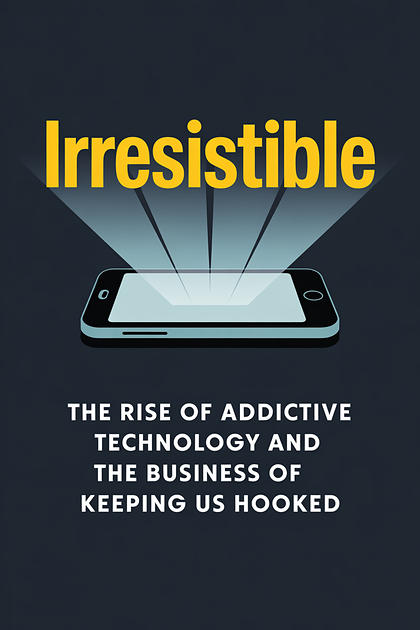
The rapid rise of the smartphone has transformed it from a novel invention into an ordinary tool that most people use without much thought. While these devices offer incredible power and connectivity, they also subtly change how people think, feel, and relate to one another. Tony Reinke explains that because these devices are so unobtrusive, it is easy to overlook how they might be reshaping the human mind. Instead of simply using technology to improve life, many people find that their phone habits have begun to dictate their priorities.
The story of technology does not begin with the invention of the smartphone or the birth of modern computer companies. It stretches back to the very beginning of human existence, driven by the human ability to reorder the world for specific purposes. Humans were placed in a world of raw materials like gold, iron, and wood with the expectation that they would innovate. This journey is a movement from a simple natural environment to a complex, highly developed society.
Technology serves several fundamental roles in the human experience. It modifies the world to make life more efficient, such as how agricultural tools allow humans to produce food more effectively than they could with bare hands. Beyond survival, technology also helps push back the difficulties of life by providing medicine, clothing, and basic tools to manage physical pain. While these advancements improve daily life, they also serve as a constant reminder that the world requires constant effort to maintain.
One of the most significant ways technology functions is by aiding communication and shared knowledge. For centuries, the development of paper, ink, and printing has allowed ideas to travel across continents and generations. In the modern digital age, smartphones have become the primary way people experience these historical trends. These devices have consolidated many different tools into one, and they are being adopted faster than any other technology in history.
To navigate this digital age, it is necessary to look beyond the convenience of the screen and examine the motives behind why people reach for their phones so often. Constant connectivity can lead to a sense of anxiety, exhaustion, and dependency. Reinke suggests that by applying wisdom and discernment, individuals can learn to master their technology rather than being mastered by it. Ultimately, the goal is to steward technology in a way that aligns with deepest values, ensuring it remains a helpful tool rather than a controlling force.
Full summary available in the Readsome app