Introduction to Empowering Women
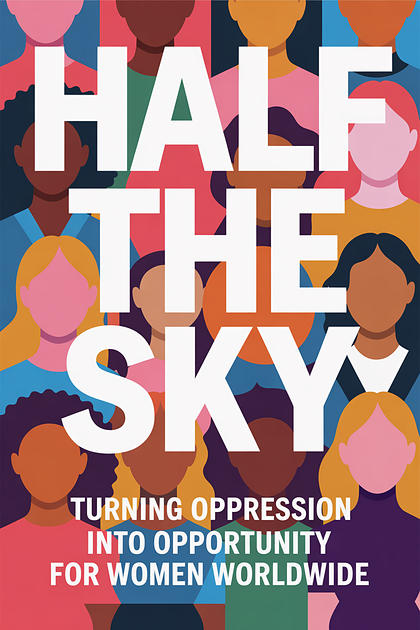
Melinda French Gates grew up watching rocket launches with her father, an aerospace engineer. She was captivated by the moment a rocket overcomes gravity to soar into the sky. This concept shaped her belief that for societies to thrive, we must actively support and empower women. When women are lifted, they pull their entire communities up with them.
In her global travels, she found that millions of women are held back by a lack of basic rights, such as healthcare and education. Cultural biases and restrictive laws often prevent women from making their own decisions or earning an independent income. These barriers act like downward forces that keep entire populations from reaching their full potential. True progress happens when women are empowered to take their place as equals in society. By removing the obstacles that pull women down, we create a momentum that allows all of humanity to flourish.
Melinda began her career in the fast-paced world of technology, joining Microsoft in its early years as one of the few women in leadership. During this time, she viewed her life through traditional lenses, assuming that once she had children, she would leave her career behind to stay at home. When she shared this plan with her husband, Bill Gates, he was stunned, as their shared work at the company was a cornerstone of their relationship. After their first daughter was born, Melinda realized that the technology that had empowered her was often out of reach for other girls. This realization sparked her first foray into philanthropy by bringing computers into public school classrooms.
As the Bill & Melinda Gates Foundation took shape, the focus shifted toward global health initiatives. During a trip to Africa, Melinda observed a stark contrast in daily life where women walked miles without shoes, carrying heavy loads of wood and children, while men often sat nearby unburdened. This visual evidence of gender inequality was reinforced by data showing that millions of children in poor countries were dying from preventable diseases like diarrhea. This heartbreak became the catalyst for the foundation’s work in vaccines, aiming to close the gap between the healthcare available in wealthy nations and the lack of resources in the developing world.
Through these early experiences, a deeper truth emerged about global development and human progress. Empowering women is the most effective way to lift an entire society out of poverty. Whether it is through health, education, or economic opportunity, when women gain the power to make their own decisions, every metric of a healthy society improves. By breaking down the cultural and legal barriers that hold women back, we do more than just help individuals survive. We create a strong foundation for global prosperity where everyone has the chance to reach their full potential.
Full summary available in the Readsome app