Introduction: Our Ancient Bodies Today
In 2012, a rhesus macaque became a celebrity in Tampa, Florida. For three years, this escaped animal survived by dodging cars and scavenging through dumpsters, proving that creatures can often thrive in environments they were never meant to inhabit. While onlookers saw a local curiosity, the situation actually highlights a profound truth about our own species. We view a monkey in the suburbs as an anomaly, yet we rarely acknowledge that we are just as far removed from our natural environment as that macaque. For the vast majority of human history, our ancestors lived in small bands, foraging and hunting for survival. The modern world of air-conditioning, smartphones, and processed snacks is an evolutionary blink of an eye.
Today, we find ourselves in a strange paradox of health and illness. By almost every metric of species success, humans are thriving globally. We number over seven billion, and life expectancy has climbed dramatically even in the world's poorest regions. However, this progress masks a troubling shift in our physical well-being. While we are no longer dying in droves from infectious diseases or famine, we are increasingly plagued by chronic, non-infectious conditions like type 2 diabetes, heart disease, and various cancers. We have traded early death for a lifetime of chronic illness. We are living longer, but we are spending more of those years in a state of poor health, often caused by the very comforts we worked so hard to create.
To understand why our bodies are struggling, we have to look at how natural selection actually functions. It is a simple process driven by three things: variation, heritability, and reproductive success. Every person is slightly different, many of those differences are passed down through genes, and some people have more surviving offspring than others. This process is not a ladder toward perfection, but rather a filter for survival. It preserves traits that help us survive long enough to have children. If a trait helps you reproduce, it sticks around, even if it makes you miserable or sick in your later years.
This biological reality leads to a common misunderstanding of what it means to be adapted. We often assume that if we are adapted for something, it must be inherently good for our health. In reality, your body is a collection of adaptations designed for one primary goal: passing on your genes. Your sweat glands help you stay cool, and your brain helps you navigate social groups, but other traits are less helpful in a modern context. For example, our bodies are exceptionally good at storing fat because food was scarce and unpredictable for millions of years. In the past, the ability to pack on pounds was a life-saving adaptation. Today, in a world of unlimited calories, that same adaptation leads to obesity and heart disease.
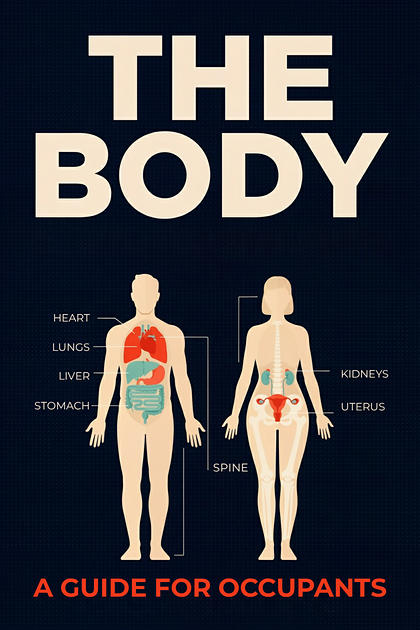
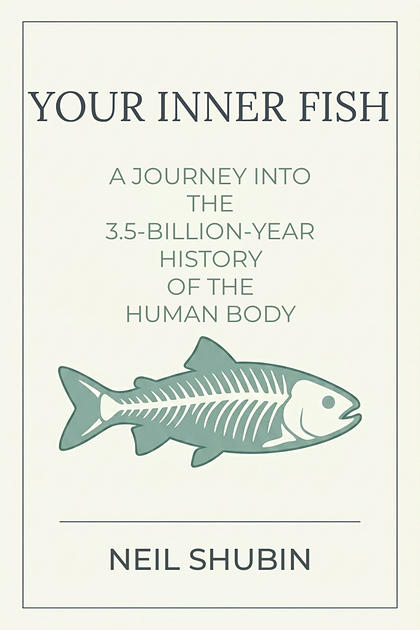
Our bodies are best described as a messy historical record where new traits have been layered over old ones. We carry the traits of the fish we once were, the apes we evolved from, and the hunter-gatherers we remained for hundreds of thousands of years. We evolved to walk upright, which was great for traveling long distances but left us with back pain and a limited ability to sprint. We evolved teeth for eating fruit, but then developed tools and fire to process meat and tubers. We are not designed for any one specific lifestyle, but rather exist as a walking history of biological compromises.
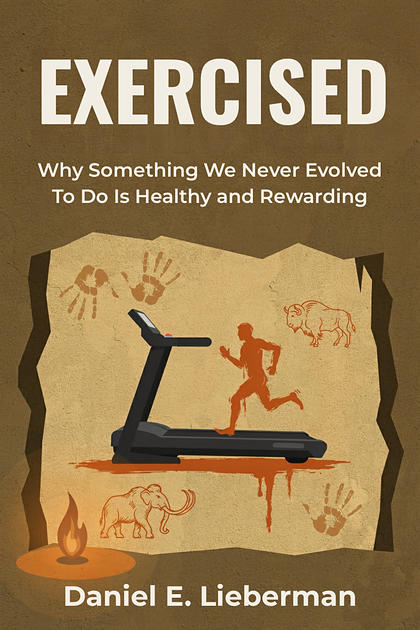
This history explains the mismatch hypothesis, which is the idea that many of our modern health problems arise because our inherited bodies are poorly suited to the environments we have recently built. Consider type 2 diabetes as a prime example of this phenomenon. It occurs when our cells stop responding to insulin, the hormone that manages blood sugar. For most of human history, high-energy sugar was rare, so our bodies never evolved a defense against a diet centered on soda and refined flour. We are essentially using Stone Age biology to navigate a twenty-first-century environment, and our physical systems are crashing as a result.
The final layer of this story is the rapid pace of cultural evolution. While biological change takes thousands of years, culture moves with breathtaking speed. In just a few hundred generations, we moved from the Agricultural Revolution to the Industrial Revolution, fundamentally changing how we eat, sleep, and move. Culture is now the primary force shaping our bodies, often creating vicious circles where we treat the symptoms of mismatch diseases with medicine but fail to address the environmental causes. To navigate the future of human health, we must recognize that we are still those ancient foragers, currently living in a world of our own making that our bodies do not yet understand.
Full summary available in the Readsome app