How the United States Justifies Global Dominance
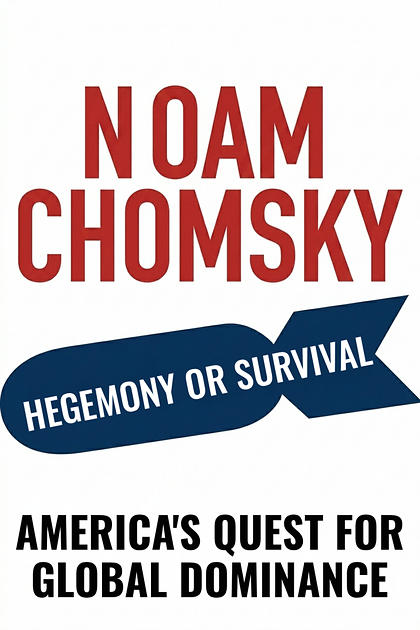
Every ruling power in history tells itself a story where it is the hero. Even the most brutal regimes, from the Nazis to imperial Japan, claimed their conquests were missions of mercy or civilization. They convinced themselves that violence was a necessary tool for a greater good. This need for a righteous ideology is a constant whenever one group seeks to dominate another.
The United States follows this pattern by casting itself as a shining city on a hill. It presents its actions as selfless efforts to spread democracy and freedom across the globe. In this narrative, the government is honorable and well-intentioned, capable only of mistakes but never crimes. This belief in American exceptionalism suggests that while other nations pursue selfish interests, the United States acts only for the benefit of humanity.
Beneath this rhetoric lies a much colder reality often called the Mafia Doctrine. Like a mafia godfather, a superpower demands total obedience and punishes any defiance to maintain its status. If a small nation tries to control its own resources, it is treated like a shopkeeper who refuses to pay protection money. The violence that follows is not about morality, but rather a calculated warning to others that disobedience will not be tolerated.
After World War II, planners designed a global strategy to ensure the United States held unquestioned power over the world’s most vital resources. While we celebrate the freedoms of speech and worship, a hidden fifth freedom often takes priority, which is the freedom to dominate. This principle ensures that the interests of wealthy elites are protected, even when it requires crushing the rights of others. In high-level planning, the people living in resource-rich areas are often treated as unpeople whose needs are entirely irrelevant.
True morality requires applying the same standards to ourselves that we apply to our rivals. It is easy to condemn the crimes of other nations, but we have the most power to change the behavior of our own government. By looking past the myths of noble intent, we can begin to address the genuine risks of nuclear war and climate catastrophe. Recognizing the reality of power is the first step toward building a world where people truly rule themselves.
Full summary available in the Readsome app