Introduction to Woman as the Second Sex
Humanity is split into two categories, but they are not treated equally. Men define themselves as the universal human type, while women are defined primarily by their sex. Men have positioned themselves as the absolute subject of the human experience, while relegating women to the status of the secondary other.
Unlike other oppressed groups, women have never formed a separate community with a shared history. They are dispersed among men and integrated into the very social structures that subordinate them. This permanent condition is rooted in a biological reality that society has interpreted to justify a strict hierarchy.
Society perpetuates the myth that femininity is an inherent biological essence. However, modern observation shows that feminine identity is a cultural construct rather than a biological destiny. By defining a woman as a reproductive being first, society imprisons her in her body and dismisses her individual thoughts.
The persistence of this subordination is partly explained by the advantages of accepting a dependent role. Asserting oneself as a free subject requires taking risks and facing stress. By accepting dependence, a woman can avoid the difficulty of inventing her own purpose, as she is materially protected by the man who claims her.
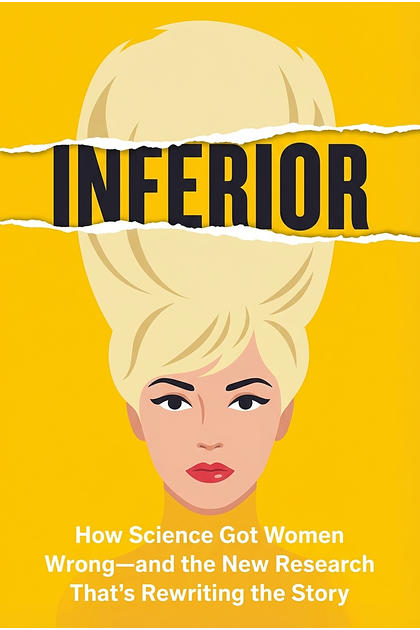
Throughout history, men have used religion, philosophy, and science to justify this masculine supremacy. Lawmakers and scholars have consistently argued that female subordination is natural and beneficial for society. The goal of analyzing this condition is to evaluate the concrete opportunities women have to surpass themselves and achieve true freedom.
Full summary available in the Readsome app